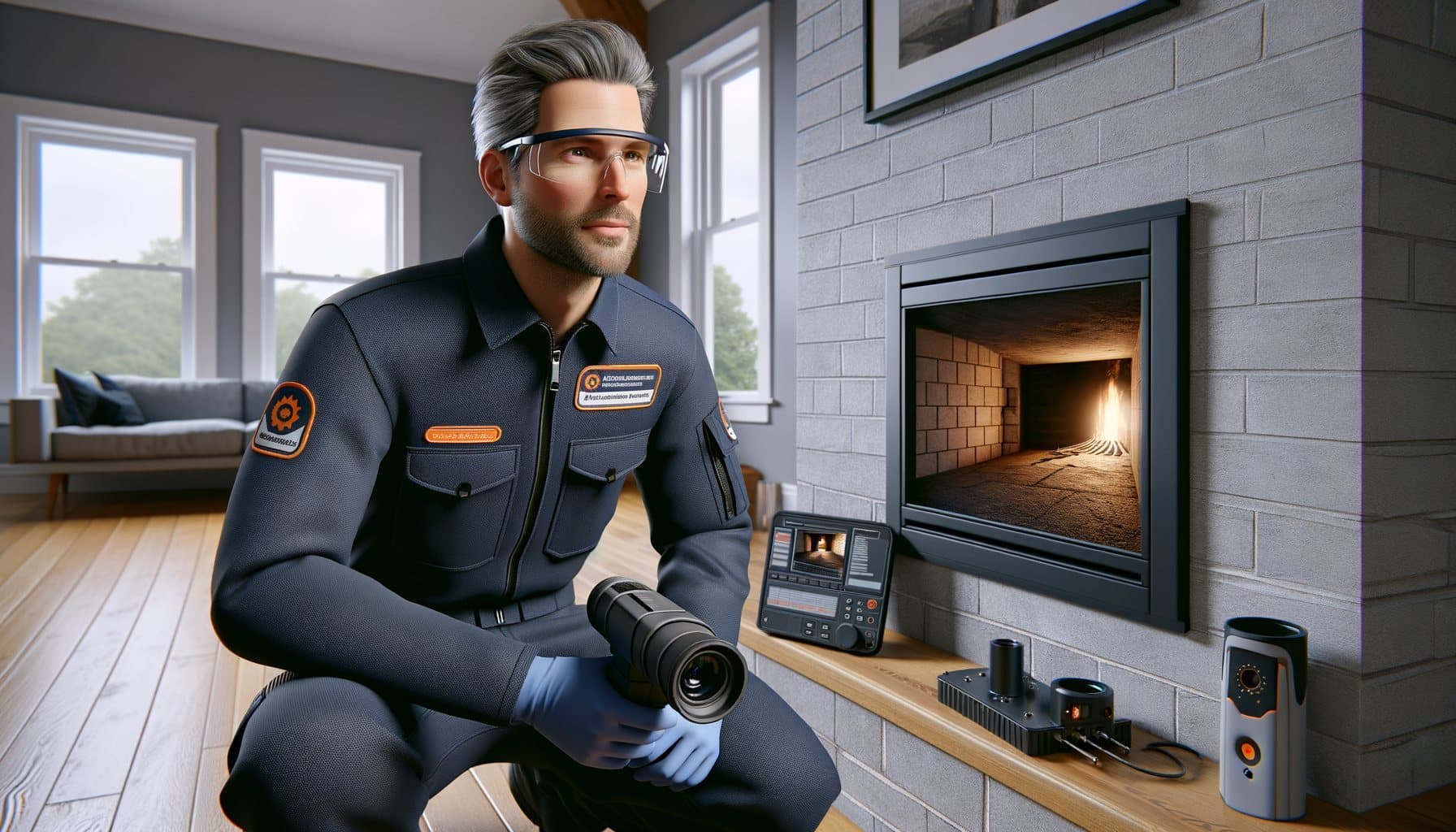

Understanding the Risks of Animal Intrusion in Chimneys
In Lauderhill, Florida, the warm climate and lush surroundings create a perfect habitat for various wildlife, including birds, raccoons, and squirrels. While these animals may seem harmless, their presence in your chimney can lead to serious issues. Not only can they obstruct airflow, but they can also cause significant damage to your chimney structure and pose health risks through droppings and potential disease transmission.
Animal intrusion is not just a nuisance; it can compromise the safety of your home. For example, a blocked chimney can lead to dangerous chimney fires or the buildup of harmful gases like carbon monoxide. Regular chimney inspections are crucial in identifying these issues early and ensuring your chimney remains safe and functional.
Common Wildlife Intruders in Lauderhill
Understanding which animals are likely to intrude into your chimney can help you take preventive measures. Some of the most common culprits in the Lauderhill area include:
- Birds: Sparrows and starlings are frequent visitors, often building nests in chimneys during nesting season.
- Squirrels: These agile climbers can easily access your chimney, especially if there are nearby trees or overhanging branches.
- Raccoons: Known for their dexterity, raccoons can enter a chimney to seek shelter or food, leading to significant blockages.
Each of these animals poses unique risks, from causing chimney blockages to potential fire hazards. It's essential for homeowners in Lauderhill to stay vigilant and proactive in preventing these intrusions.
Preventive Measures to Protect Your Chimney
Preventing animal intrusion in your chimney is a multi-faceted approach that involves both physical barriers and regular maintenance. Here are detailed steps to help keep wildlife at bay:
- Install a Chimney Cap: A chimney cap is a protective cover that fits over the top of your chimney. It prevents animals from entering while allowing smoke and gases to escape. Ensure that your cap is made from durable materials and fits securely.
- Regular Inspections: Schedule routine chimney inspections with professionals to check for signs of animal activity. This includes looking for droppings or nesting materials.
- Maintain Your Yard: Trim back overhanging branches and keep your yard clear of debris. This can deter squirrels and raccoons from accessing your roof and chimney.
- Seal Entry Points: Look for any gaps or holes around your chimney and seal them. This includes cracks in the masonry or gaps in the flashing.
- Use Deterrents: Consider using humane deterrents, such as motion-activated sprinklers or ultrasonic devices, to keep animals away from your chimney.
Importance of Regular Chimney Maintenance
Regular maintenance of your chimney is vital, not just for preventing animal intrusion but also for ensuring the safe operation of your fireplace. Homeowners in Lauderhill should prioritize the following maintenance tasks:
- Chimney Cleaning: Schedule regular chimney cleaning to remove soot and debris, which can create a welcoming environment for animals.
- Professional Inspections: Engage a qualified chimney sweep company, like Chimney Repair Group, for annual inspections. We provide thorough assessments, including checking for blockages and structural integrity.
- Chimney Repair: Address any structural damage promptly. If your chimney is cracked or leaning, it may be more susceptible to animal entry. Regular chimney repair can prevent these issues from escalating.
What to Do If Animals Are Already in Your Chimney
If you suspect that animals have already made their home in your chimney, it’s important to act quickly and safely. Here’s what you should do:
- Stay Calm: Do not attempt to remove the animals yourself, as this could lead to injury for both you and the animal.
- Contact Professionals: Call a local wildlife removal expert or a chimney sweep company like Chimney Repair Group. We can safely assess and remove any animals from your chimney.
- Inspect for Damage: After the animals have been removed, schedule a chimney inspection to check for damage or blockages.
Local Tips for Lauderhill Homeowners
As a homeowner in Lauderhill, here are some practical tips tailored to our unique Florida climate and environment:
- Monitor Seasonal Changes: Pay attention to seasonal patterns. Animals are more likely to seek shelter in chimneys during colder months. Ensure your chimney is capped before winter.
- Know Local Regulations: Familiarize yourself with local wildlife laws and regulations. Some animals are protected, and there are specific guidelines for humane removal.
- Network with Neighbors: Share experiences and tips with neighbors in Lauderhill, Sunny Isles Beach, and South Miami. Together, you can stay informed about local wildlife trends.
Conclusion
Preventing animal intrusion in your chimney should be a priority for homeowners in Lauderhill. By following the proactive measures outlined above, you can protect your chimney from unwanted guests while also ensuring the safety of your home. Regular maintenance, including chimney relining and chimney cap installation, is essential for long-term protection.
If you have any concerns about your chimney or suspect animal intrusion, don’t hesitate to contact Chimney Repair Group at 888-882-2070. Our team of experts is ready to assist you with all your chimney needs, from inspections to repairs. Protect your home and enjoy peace of mind knowing your chimney is safe and secure!

Chris Reynolds
Masonry Expert
Masonry Expert serving Florida homeowners.